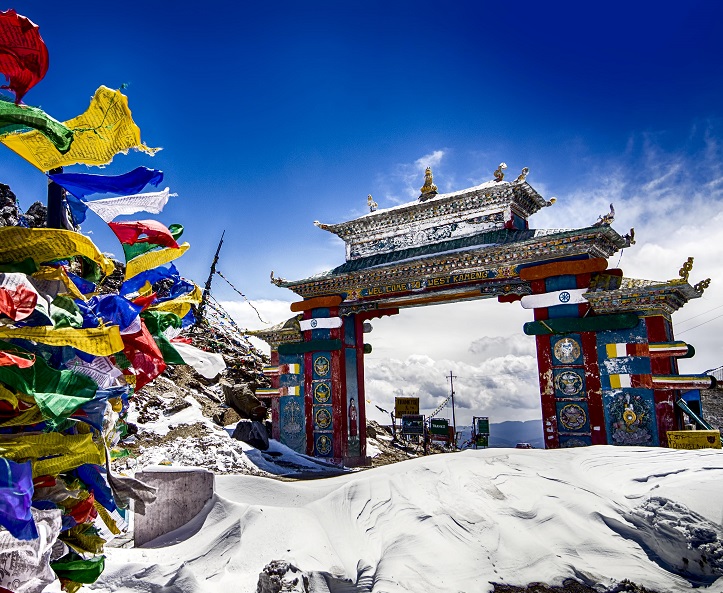
Sivasagar

Sivasagar, also known as Sibsagar, is a historically significant town located in the state of Assam, India.

About Sivasagar, Assam

Sivasagar, also known as Sibsagar, is a historically significant town located in the state of Assam, India. Sivasagar served as the capital of the Ahom Kingdom, a dynasty that ruled the region for over six centuries. It was an important center of administration, culture, and architecture during the Ahom reign.

Historical monuments, reflecting the grandeur of the Ahom Kingdom, dot the town. The most notable structures include the Rang Ghar, a royal sports pavilion, the Talatal Ghar, an underground palace, and the Shiva Doul (Shiva Temple), which is the tallest Shiva temple in India.

The Sivasagar Tank, also known as the Borpukhuri, forms the center of the town. The Ahoms constructed this large man-made tank, which is considered one of the largest artificial tanks in the country. Several temples surround the tank, creating a picturesque setting.

Sivasagar is home to several ancient temples that hold religious and cultural importance. The most prominent ones are the Shiva Doul, Vishnu Doul, and Devi Doul. These temples showcase intricate architecture and are popular pilgrimage sites.

Sivasagar offers a unique culinary experience with its traditional Ahom cuisine. Traditional dishes like khar, masor tenga (sour fish curry), and various rice-based delicacies are popular and reflect the local flavors of the region.

Sivasagar celebrates several festivals with enthusiasm. The town celebrates major festivals like the Raas festival, Bihu, and Durga Puja with cultural performances, traditional dances, and music.

The town’s fame lies in its traditional handicrafts, which encompass handloom textiles and pottery. Visitors can explore local markets to purchase unique handicraft items as souvenirs.

Sivasagar showcases a rich blend of history, culture, and natural beauty. Its architectural marvels and historical sites make it a must-visit destination for history enthusiasts and those seeking a glimpse into the ancient past of Assam.

Things To Do in Sivasagar

When visiting Sivasagar, Assam, there are several activities and attractions to explore. Here are some popular things to do :

Visit Ahom Monuments : Explore the historical Ahom monuments in Sivasagar, such as the Rang Ghar, Talatal Ghar, and Shiva Doul. Admire their architectural beauty and learn about the rich history of the Ahom Kingdom.

Explore Sivasagar Tank : Take a leisurely stroll around the Sivasagar Tank (Borpukhuri) and enjoy the serene atmosphere. You can also go boating in the tank and witness the surrounding temples and landmarks.

Visit Temples : Sivasagar is home to several ancient temples. Visit the Shiva Doul, Vishnu Doul, and Devi Doul to experience the religious and cultural significance of these architectural marvels.

Enjoy Assamese Cuisine : Indulge in the flavors of Assamese cuisine by trying local dishes like khar, masor tenga (sour fish curry), and pitha (rice cakes). Visit local eateries and restaurants to savor the authentic flavors of the region.

Explore the Tea Gardens : Take a tour of the tea gardens in and around Sivasagar. Learn about the tea production process, enjoy the scenic beauty of the tea estates, and sample some freshly brewed Assam tea.

Attend Festivals : If you happen to be in Sivasagar during festivals like Raas, Bihu, or Durga Puja, immerse yourself in the vibrant celebrations. Enjoy cultural performances, traditional dances, music, and the festive spirit of the region.

Visit Joysagar Tank : Explore the Joysagar Tank, another important man-made reservoir in Sivasagar. Visit the Shiva Dol and the Joy Dol, two beautiful temples located on the banks of the tank.

Discover Charaideo Maidam : Take a trip to Charaideo, a nearby town known for its ancient burial mounds or maidams. These maidams hold historical significance and are a testament to the Ahom civilization.

Shop for Handicrafts : Explore the local markets of Sivasagar to find traditional Assamese handicrafts, including handloom textiles, pottery, and bamboo crafts. Purchase souvenirs to take home and support local artisans.

Explore Gaurisagar Tank : Visit Gaurisagar Tank, another picturesque reservoir near Sivasagar. It is known for its beautiful temples and serene surroundings.

Sivasagar offers a mix of historical, cultural, and natural attractions that provide a glimpse into the rich heritage of Assam. Enjoy the architectural marvels, indulge in local cuisine, and immerse yourself in the cultural festivities during your visit to Sivasagar.

How to Reach Sivasagar, Assam

Sivasagar, located in Assam, India, is accessible through various modes of transportation. Here’s how you can reach :

By Air : The nearest airport is Jorhat Airport, also known as Rowriah Airport, which is approximately 70 kilometers away. Several domestic airlines operate regular flights from major cities like Kolkata and Guwahati to Jorhat. From the airport, you can hire a taxi or take a bus to reach Sivasagar.

By Train : The nearest major railway station is Simaluguri Junction, located around 16 kilometers away. It is well-connected to cities like Guwahati, Kolkata, and New Delhi. From the railway station, you can hire a taxi or take a bus to reach Sivasagar.

By Road : This Citty is well-connected to major cities in Assam and neighboring states through a network of roads. National Highway 37 (NH-37) passes through Sivasagar, connecting it to cities like Guwahati and Dibrugarh. State-run buses, private buses, and taxis are available for traveling to Sivasagar by road.

By River : Sivasagar is also accessible by river routes. The Dikhow River flows near the town, and boats and ferries are available for transportation. However, this mode of travel is less common compared to air, train, and road options.

Once you reach Sivasagar, the town has a well-connected local transportation system, including auto-rickshaws, cycle-rickshaws, and local buses, to help you get around and explore the attractions within the town.

Before planning your visit, it is advisable to check the current transportation options and availability as well as the schedules of flights, trains, and buses to ensure a smooth and convenient journey to Sivasagar.

Visit Our YouTube Video Channel Harshada Holidays

Manas National Park, Assam

Manas National Park, Assam

About Manas National Park, Assam

Manas National Park is a UNESCO World Heritage Site and a prominent wildlife sanctuary located in the state of Assam, India. Manas National Park is in the western part of Assam, along the international border with Bhutan. It spans an area of approximately 950 square kilometers.

In 1928, authorities declared the park a wildlife sanctuary, and in 1990, it gained national park status. The park’s rich biodiversity attracts attention, housing various endangered species such as the Bengal tiger, Indian rhinoceros, Indian elephant, clouded leopard, and golden langur.

Continue reading

Guwahati

Guwahati is the largest city in the northeastern state of Assam, India.

About Guwahati, Assam

Guwahati is the largest city in the northeastern state of Assam, India. It is situated on the southern bank of the Brahmaputra River and is known as the gateway to the northeastern region of India.

Guwahati is located between the Brahmaputra River and the Shillong Plateau. It is enclosed by hills and lush greenery, making it a scenic city. This City is an important cultural hub of the region and is popular for its rich heritage. It has a diverse population comprising various ethnicities, including Assamese, Bengali, Bihari, Nepali, and others.

The city has a long history dating back to ancient times and has witnessed the rule of various kingdoms and dynasties. It was an important center of trade and commerce during the medieval period.

Guwahati is a major transportation hub in the region. It has excellent connectivity through road, rail, and air. Lokpriya Gopinath Bordoloi International Airport serves as the main airport for the northeastern states.

The city is home to several prestigious educational institutions, including the Indian Institute of Technology (IIT), Guwahati, and Gauhati University. These institutions attract students from all over the country.

Guwahati is known for its beautiful temples and historic sites. The Kamakhya Temple, Umananda Temple, Navagraha Temple, and Basistha Ashram are popular religious landmarks. The Assam State Museum, Assam State Zoo, and Guwahati Planetarium are also notable attractions.

This City is surrounded by natural beauty and wildlife. The Kaziranga National Park, known for its one-horned rhinoceros, is located nearby. The Pobitora Wildlife Sanctuary and Manas National Park are also accessible from the city.

The people of Guwahati celebrate various festivals with enthusiasm.
The most important festival of Assam, Bihu, captivates the town with its traditional dance, music, and cultural performances. Additionally, Durga Puja, Eid, and Christmas stir up great fervor during their celebrations.

Assamese cuisine is diverse and unique. Guwahati offers a variety of traditional dishes like khar, tenga, pitha, and masor tenga, which are worth experiencing.

Guwahati serves as the commercial and economic center of the region. It has a growing industrial sector, including oil refineries, tea processing, and manufacturing industries. It is also a trading hub for various agricultural and horticultural products.

Overall, Guwahati is a vibrant city with a blend of cultural heritage, natural beauty, and modern amenities. It continues to grow as an important urban center in the northeastern part of India.

Things To Do in Guwahati

When visiting Guwahati, Assam, there are several activities and attractions to explore. Here are some popular things to do :

Visit Kamakhya Temple : One of the most important Hindu pilgrimage sites in India, the Kamakhya Devi Temple. It attracts devotees and tourists from all over the country.

Take a River Cruise : Enjoy a scenic cruise on the mighty Brahmaputra River. Many tour operators offer river cruises, allowing you to experience the beauty of the river and its surroundings.

Explore Umananda Island : Located in the middle of the Brahmaputra River, Umananda Island is home to the Umananda Temple, dedicated to Lord Shiva. Take a ferry ride to the island and explore the temple and its serene surroundings.

Visit Assam State Museum : Discover the rich cultural heritage of Assam at the Assam State Museum. The museum houses a vast collection of artifacts, including archaeological finds, tribal crafts, and historical exhibits.

Enjoy Wildlife at Assam State Zoo : Spend a day at the Assam State Zoo, also known as Guwahati Zoo, which is home to a wide variety of animals, including tigers, elephants, rhinoceros, and various bird species.

Explore Srimanta Sankardev Kalakshetra : A cultural complex that dedicates itself to the life and teachings of the medieval saint, Srimanta Sankardev. It features an art museum, an open-air theater, a library, and replicas of traditional Assamese houses.

Discover the Navagraha Temples : Visit the Navagraha Temple complex, which consists of nine temples dedicated to the nine celestial bodies of Hindu astrology. The temples are located atop a hill and offer panoramic views of Guwahati.

Explore Pobitora Wildlife Sanctuary : Located about 50 kilometers from Guwahati, Pobitora Wildlife Sanctuary popular for its dense population of one-horned rhinoceros. Take a jeep safari to spot these magnificent creatures and other wildlife.

Taste Assamese Cuisine : Indulge in the flavors of Assamese cuisine by trying traditional dishes like masor tenga (sour fish curry), khar (a signature Assamese dish), and pitha (rice cakes). Visit local eateries and restaurants to savor the authentic flavors.

Enjoy Sunset at Brahmaputra Ghat : Spend an evening at the Brahmaputra Ghat and witness the beautiful sunset over the river. The ghat offers a peaceful ambiance and is a popular spot for locals and tourists alike.

These are just a few of the many things to do in Guwahati, Assam. The city offers a blend of cultural, natural, and historical attractions, providing a memorable experience for visitors.

How to Reach Guwahati

Guwahati, being a major city in Assam, has good connectivity through various modes of transportation. Here’s how you can reach :

By Air : Lokpriya Gopinath Bordoloi International Airport is the main airport serving Guwahati. It has regular flights connecting major cities in India like Delhi, Mumbai, Kolkata, Bangalore, and Chennai. From the airport, you can take a taxi or a pre-paid cab to reach your destination in Guwahati.

By Train : Guwahati Junction is well-connected to major cities in India through an extensive rail network. It is a major railway station in the region and serves as a gateway to the northeastern states. Several trains run to Guwahati from cities like Delhi, Kolkata, Mumbai, Chennai, and Bangalore.

By Road : Guwahati is connected to the rest of the country through a network of national highways. NH-27 and NH-37 are the major highways that connect Guwahati to other cities in Assam and neighboring states. You can take state-run buses, private buses, or hire a taxi to reach Guwahati by road.

By Water: Guwahati is also accessible by waterways. The Brahmaputra River, which flows through the city, is used for transportation. Passenger and cargo ferries operate on the river, connecting Guwahati to various towns and villages in Assam.

Once you reach Guwahati, the city has an efficient public transportation system with buses, auto-rickshaws, and taxis readily available for local travel.

Visit Our YouTube Video Channel Harshada Holidays
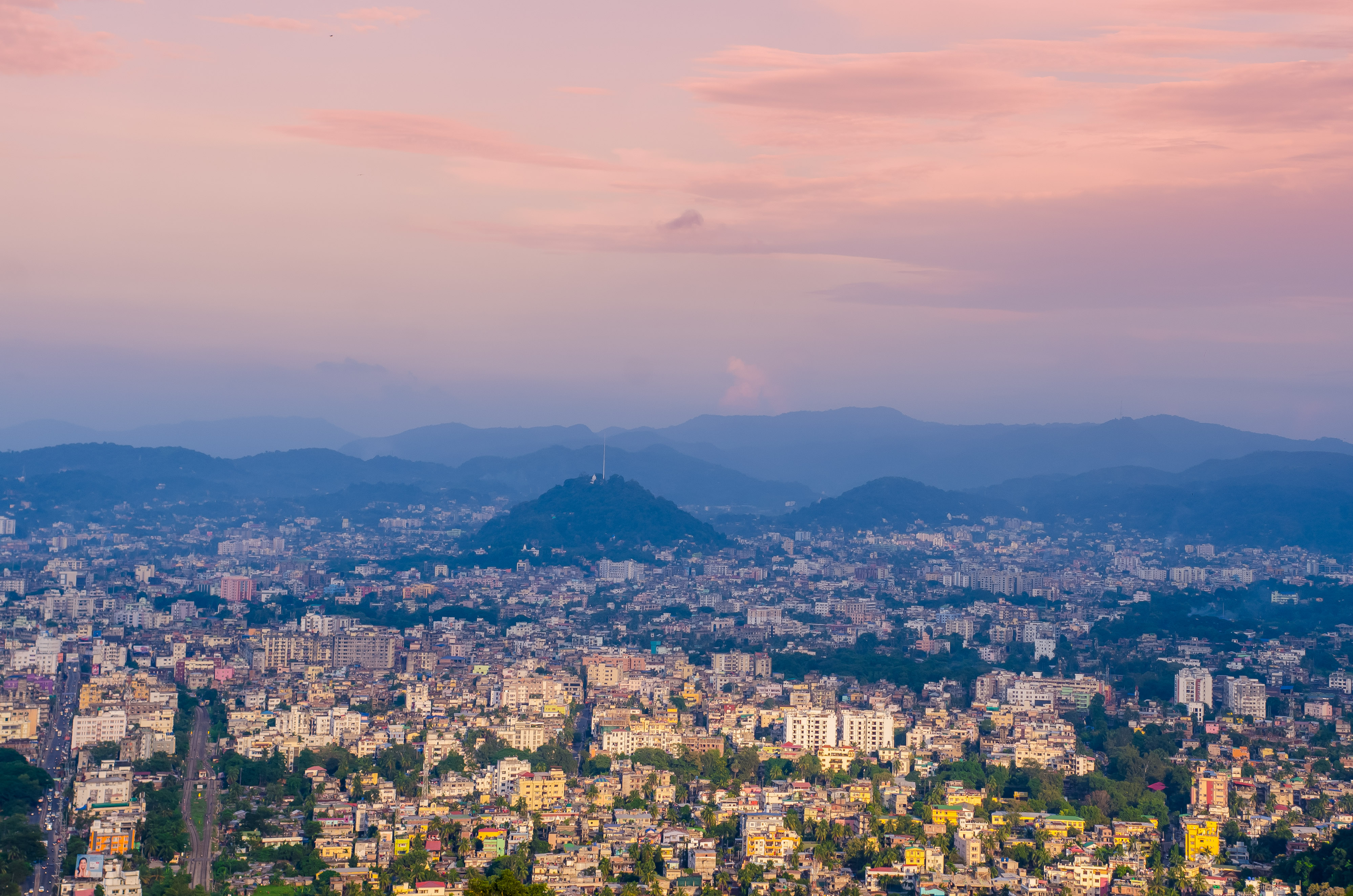
Majuli Island

Majuli Island, located in the northeastern state of Assam, India

About Majuli Island

Majuli Island, located in the northeastern state of Assam, India, is the world’s largest river island. Nestled in the mighty Brahmaputra River, This Island is known for its natural beauty, cultural heritage, and unique ecosystem.

It is home to several indigenous communities, including the Mishing tribe, who have preserved their traditions and crafts for generations. Majuli is renowned for its Vaishnavite monasteries, or satras, which are centers of spiritual and cultural activities.

The island is also a paradise for birdwatchers, with a wide variety of avian species making it their habitat. However, erosion caused by the river remains a significant challenge for the island’s sustainability. Efforts are underway to protect and preserve Majuli’s rich heritage and fragile ecosystem.

Things To Do in Majuli Island, Assam

Visit Satras : Explore the unique Vaishnavite monasteries, known as satras, that are an integral part of Majuli’s cultural heritage. These satras are centers of religious and cultural activities, offering a glimpse into the traditional dance, music, and art forms of the region.

Interact with the Mishing Tribe : Engage with the local Mishing tribe and learn about their way of life, traditional practices, and handicrafts. You can visit their villages, witness their exquisite handloom weaving, pottery, and indulge in their warm hospitality.

Attend Festivals : Majuli Island is known for its vibrant festivals. The Raas festival, celebrated during autumn, is a spectacular display of dance, music, and drama depicting the life of Lord Krishna. The Ali-Ai-Ligang festival, marking the beginning of the agricultural season, is another colorful event worth experiencing.

Explore Natural Beauty : Take a leisurely walk or rent a bicycle to explore the picturesque landscapes of Majuli. The island offers scenic views of the Brahmaputra River, lush paddy fields, and wetlands teeming with diverse bird species. It’s an ideal place for nature lovers and birdwatchers.

Enjoy River Cruises : Embark on a relaxing boat ride along the Brahmaputra River, offering stunning views of Majuli Island and its surroundings. You can witness breathtaking sunsets, spot migratory birds, and soak in the tranquil beauty of the river.

Try Local Cuisine : Indulge in the delectable Assamese cuisine during your visit to Majuli. Don’t miss out on trying traditional dishes like Masor Tenga (sour fish curry), Khar (alkaline preparation), and Pitha (rice cakes) prepared with local ingredients and flavors.

Remember to check the weather conditions and plan your visit accordingly. Majuli Island provides a unique blend of cultural immersion, natural beauty, and serene tranquility, making it a must-visit destination in Assam.

How to Reach Majuli Island, Assam

To reach Majuli Island, Assam, you need to follow these steps :

Reach Jorhat : The nearest major city to Majuli Island is Jorhat, which is well-connected by air, rail, and road. You can reach Jorhat by taking a flight to Jorhat Airport (Rowriah Airport) or by train to Jorhat Town Railway Station.

Reach Nimati Ghat : From Jorhat, you need to travel to Nimati Ghat, which is around 14 kilometers away. You can hire a taxi or take a local bus to reach Nimati Ghat.

Ferry to Majuli Island : From Nimati Ghat, you need to take a ferry ride to reach Majuli Island. Regular public ferries operate from Nimati Ghat to Kamalabari Ghat and other ghats on Majuli Island. The ferry journey takes approximately one hour.

Private Ferries : Alternatively, you can also opt for private ferries that offer a faster and more comfortable journey to Majuli Island. These private ferries are available at Nimati Ghat and Neemati Chariali, and they take around 30-45 minutes to reach Majuli.

Local Transport on Majuli Island : Once you reach Majuli Island, you can hire a taxi, auto-rickshaw, or cycle rickshaw to explore the island and reach your desired destinations.

It’s important to note that ferry timings may vary, so it’s advisable to check the schedules in advance. Also, during the monsoon season, ferry services might be disrupted due to heavy rains and river conditions. Therefore, it’s recommended to plan your visit accordingly and check for any updates or changes in transportation services.

Visit Our YouTube Video Channel Harshada Holidays
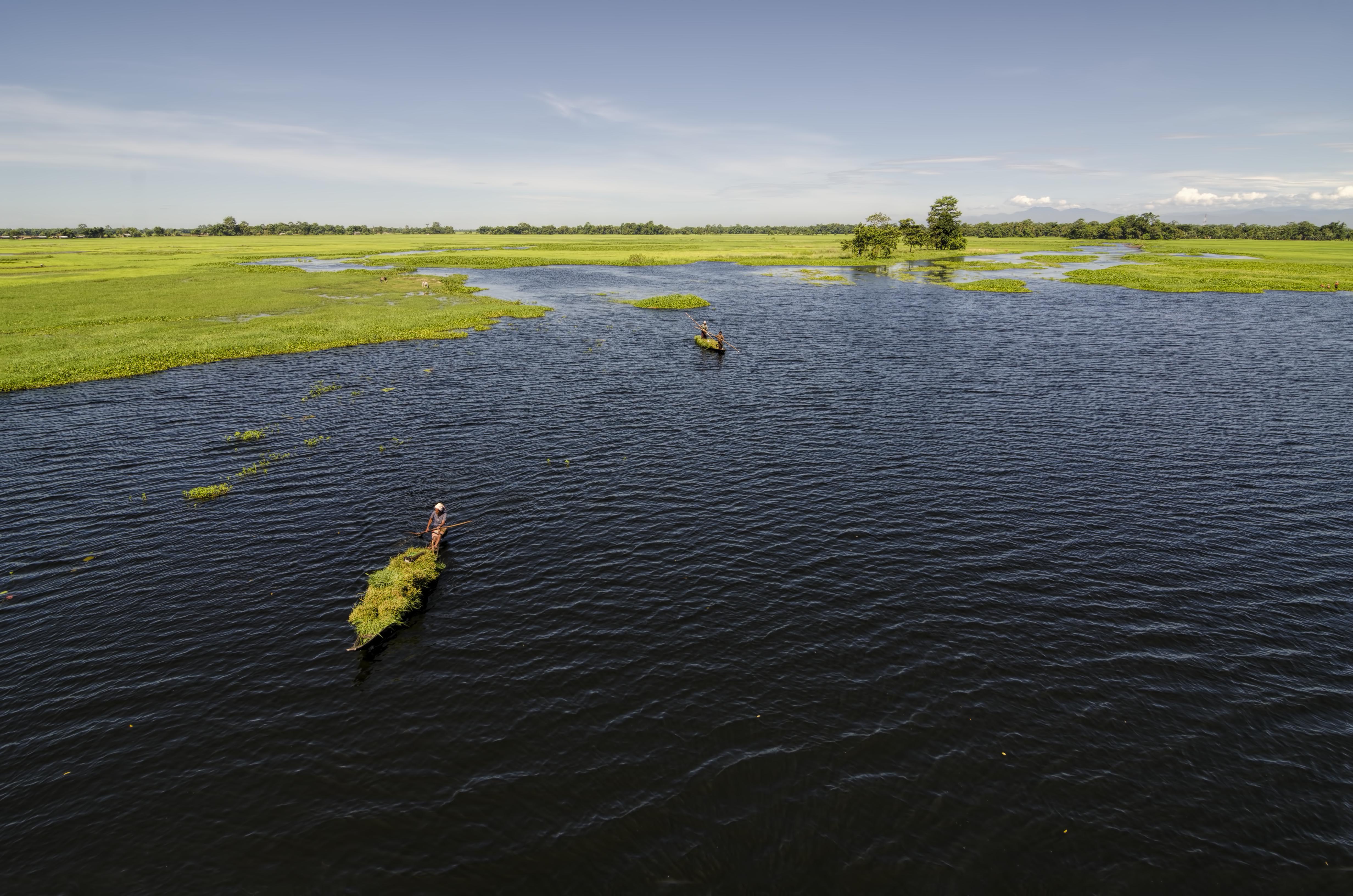
Kaziranga National Park

Kaziranga National Park is a renowned wildlife sanctuary located in the state of Assam, India.

About Kaziranga National Park

Kaziranga National Park is a renowned wildlife sanctuary located in the state of Assam, India. It was established in 1905 and recognize as a UNESCO World Heritage Site since 1985. The park is situated in the Golaghat and Nagaon districts of Assam and covers an area of approximately 430 square kilometers.

Kaziranga National Park is famous for its remarkable population of Indian rhinoceroses, one-horned rhinos and considered an endangered species. Additionally, the park is home to a diverse range of wildlife, including tigers, elephants, wild water buffalo, swamp deer, and numerous species of birds.

The landscape of Kaziranga has vast stretches of marshlands, grasslands, and dense forests. The park is crossing by the mighty Brahmaputra River, which adds to its scenic beauty. The unique ecosystem of Kaziranga National Park supports a rich variety of flora and fauna, making it a biodiversity hotspot in the region.

Visitors to Kaziranga can embark on exciting wildlife safaris, either by jeep or on the back of elephants, to explore the park and witness its incredible wildlife up close. These safaris provide opportunities for sightings of rhinos, tigers, and other animals in their natural habitat. The park also offers birdwatching tours, as it boasts an impressive avian population.

Kaziranga National Park is not only a significant conservation area but also a popular tourist destination, attracting nature enthusiasts and wildlife lovers from around the world. Its conservation efforts, breathtaking landscapes, and exceptional wildlife make it a must-visit destination for anyone traveling to Assam.

Things To Do in Kaziranga National Park

Wildlife Safari : Embark on an exhilarating wildlife safari in Kaziranga National Park. Explore the park’s diverse habitats and spot a wide range of wildlife, including Indian rhinoceroses, tigers, elephants, wild water buffalo, and various bird species. Safaris arranged via jeep or on the back of elephants, providing unique perspectives and unforgettable experiences.

Birdwatching : Kaziranga is a paradise for birdwatchers. The park is home to over 500 species of birds, including several migratory species. Take a guided birdwatching tour and keep an eye out for colorful avian species like the Bengal florican, great hornbill, swamp francolin, and many more.

Nature Walks : Immerse yourself in the natural beauty of Kaziranga by taking a leisurely nature walk. Explore the park’s trails and soak in the tranquility of the surroundings. Discover fascinating plant species, observe smaller wildlife, and enjoy the serene atmosphere of this pristine wilderness.

Explore the Surrounding Villages : Visit the nearby villages to experience the local culture and way of life. Interact with the indigenous communities like the Mishing and Karbi tribes, learn about their traditions, and sample traditional Assamese cuisine. You can also explore local markets and shop for unique handicrafts and souvenirs.

Visit the Kaziranga National Orchid and Biodiversity Park : Located near Kaziranga, this park is dedicated to preserving and showcasing the region’s rich biodiversity, particularly its diverse orchid species. Take a guided tour and marvel at the beautiful orchids and other rare plant species.

Elephant Rides : Enjoy a memorable elephant ride through the park. Traverse the grasslands and forested areas atop a gentle giant while spotting wildlife and taking in the breathtaking scenery. It’s a unique way to explore the park and get closer to nature.

Photography : Kaziranga offers incredible opportunities for photography enthusiasts. Capture stunning images of the wildlife, landscapes, and vibrant birdlife. Whether you’re a professional or an amateur, the park’s natural beauty and wildlife will provide ample subjects for your camera lens.

River Cruises : Take a boat or river cruise on the mighty Brahmaputra River, which flows alongside Kaziranga National Park. Enjoy the scenic views, spot river dolphins, and immerse yourself in the tranquility of the surroundings. It’s a relaxing and refreshing experience.

Visit the Kaziranga National Park Museum : Learn more about the park’s history, conservation efforts, and the flora and fauna through interactive exhibits at the museum. Gain a deeper understanding of the unique ecosystem and the challenges faced in preserving it.

Enjoy Local Cuisine : Indulge in the flavors of Assamese cuisine by trying local dishes and delicacies. Assam is popular for its unique flavors, incorporating ingredients like bamboo shoots, fish, and aromatic herbs. Sample dishes like fish curry, pitha (rice cakes), and traditional Assamese thalis for an authentic culinary experience.

Remember to follow park rules and regulations, respect the wildlife, and prioritize conservation while engaging in activities within Kaziranga National Park.

How to Reach Kaziranga National Park

Kaziranga National Park is well-connected to major cities in Assam and other parts of India. Here are the common modes of transportation to reach the park :

By Air : The nearest airport to Kaziranga National Park is the Jorhat Airport, also known as Rowriah Airport, located approximately 97 kilometers away. From the airport, you can hire a taxi or take a bus to reach Kaziranga. Another option is the Lokpriya Gopinath Bordoloi International Airport in Guwahati, which is about 217 kilometers away. From Guwahati, you can hire a taxi or take a bus to Kaziranga.

By Train : The nearest railway station to Kaziranga National Park is Furkating Junction, which is about 75 kilometers away. The station is well-connected to major cities in Assam and other parts of India. From Furkating Junction, you can hire a taxi or take a bus to reach the park. Another convenient railway station is Guwahati Railway Station, which is approximately 217 kilometers away.

By Road : Kaziranga National Park is well-connected by roadways. The NH37 highway passes through the park, making it easily accessible by car or bus. You can either drive to the park in your private vehicle or opt for bus services. Regular bus services operate from Guwahati and other major towns in Assam to Kaziranga. You can also hire a taxi or cab from nearby towns or cities to reach the park.

It’s important to note that Kaziranga National Park has several entry gates. The main gate is Kohora, which is well-developed and offers various accommodation options. The other gates include Bagori, Agaratoli, and Burapahar. Depending on your planned activities and accommodations, you can choose the most suitable entry gate.

Before traveling, it’s advisable to check for any updates or changes in transportation services and road conditions.

Visit Our YouTube Video Channel Harshada Holidays

Bomdila

Bomdila is famous for its Buddhist monasteries, with the most prominent being the Bomdila Monastery

About Bomdila

Bomdila is a charming hill station nestled in the picturesque West Kameng district of Arunachal Pradesh, India. Located at an elevation of around 8,200 feet in Himalayan peaks and offers breathtaking panoramic views of the snow-capped mountains. The town has beautiful apple orchards, lush green forests, and cascading waterfalls, adding to its natural splendor.

Bomdila is famous for its Buddhist monasteries, with the most prominent being the Bomdila Monastery. This serene monastery showcases intricate Tibetan architecture and serves as a spiritual retreat. Visitors can witness the monks’ daily rituals and soak in the peaceful ambiance.

Continue reading

Pasighat

Pasighat is a town located in the East Siang district of the state of Arunachal Pradesh in northeastern India.

About Pasighat

Pasighat is a town located in the East Siang district of the state of Arunachal Pradesh in northeastern India. It is situated on the banks of the Siang River, which later becomes the Brahmaputra River. Pasighat is the oldest town in Arunachal Pradesh and serves as the headquarters of the East Siang district.

Pasighat was established in 1911 by the British colonial administration as a gateway to the Eastern Himalayas. It was originally a small village but has grown into a bustling town over the years.

The town is home to various indigenous tribes of Arunachal Pradesh, including the Adi, Galo, and Minyong communities. These tribes have rich cultural traditions, and their festivals and dances are an integral part of the local culture.

The area offers opportunities for trekking, hiking, and river rafting. Popular tourist attractions include Daying Ering Wildlife Sanctuary, Pasighat Buddha Vihar, Kekar Monying, and Pangin.

Agriculture is the primary occupation of the peoples. The region is known for the cultivation of paddy, millets, pulses, and fruits. Apart from agriculture, tourism and small-scale industries also contribute to the local economy.

Pasighat is an educational hub in the region. It is home to several educational institutions, including Jawaharlal Nehru College, the oldest college in Arunachal Pradesh, and Pasighat Kendriya Vidyalaya, a reputed school.

Pasighat has a humid subtropical climate, characterized by hot summers and mild winters. The region receives heavy rainfall during the monsoon season, which contributes to its lush greenery.

Overall, Pasighat is a vibrant town with a unique blend of natural beauty, cultural heritage, and a growing economy. It attracts visitors for its scenic charm, adventure activities, and the opportunity to explore the tribal traditions of Arunachal Pradesh.

Things to do in Pasighat

When visiting Pasighat, Arunachal Pradesh, there are several things you can do to make the most of your time. Here are some activities and attractions to consider:

Explore the Siang River : Spend time along the banks of the Siang River, which flows through Pasighat. Enjoy scenic views, take leisurely walks, or engage in activities like fishing, boating, or river rafting.

Visit Daying Ering Wildlife Sanctuary : Explore the Daying Ering Wildlife Sanctuary, located near the town. It is home to diverse flora and fauna, including migratory birds, elephants, deer, and various other wildlife species. Enjoy birdwatching and nature walks in this protected area.

Experience Adi Culture : Immerse yourself in the vibrant culture of the Adi tribe, the predominant tribal community in town. Visit Adi villages, witness traditional dances, observe their unique way of life, and interact with the friendly locals.

Trekking and Hiking : Pasighat and its surrounding areas offer excellent opportunities for trekking and hiking. Embark on scenic trails, explore the nearby hills and forests, and enjoy the pristine beauty of the region.

Sirki Waterfall : Visit Sirki Waterfall, located near Pasighat. Marvel at the cascading waterfall, surrounded by lush greenery, and enjoy the peaceful atmosphere. It’s a great spot for relaxation and nature photography.

Pay Homage at Kekar Monying : Visit Kekar Monying, a holy place for the Adi tribe. It is a sacred grove where rituals and prayers are conducted. Experience the spiritual ambiance and learn about the religious beliefs of the local community.

Engage in Adventure Activities : Pasighat offers opportunities for adventure enthusiasts. Engage in activities like river rafting, angling, camping, and rock climbing. The Siang River and its surroundings provide a thrilling playground for adventure seekers.

Enjoy Local Cuisine : Indulge in the flavors of traditional Adi cuisine. Sample local dishes like smoked pork, bamboo shoot preparations, and various ethnic delicacies. Don’t miss out on tasting the traditional rice beer called “Apong.”

Visit Engging Geling Gompa : Explore Engging Geling Gompa, a Buddhist monastery located near Pasighat. Admire the intricate architecture, serene surroundings, and participate in religious practices and rituals.

Shop at Pasighat Market : Visit the local markets in Pasighat to explore and purchase local handicrafts, handwoven textiles, bamboo and cane products, and other traditional items. It’s an opportunity to support local artisans and take home unique souvenirs.

Remember to respect local customs and traditions during your visit to Pasighat. It’s advisable to check weather conditions, permits, and local regulations before engaging in outdoor activities. Enjoy the natural beauty, cultural richness, and warm hospitality that Pasighat and its surroundings have to offer.

How to Reach Pasighat

Reaching Pasighat involves a combination of air, rail, and road travel. Here are the common routes to reach :

By Air : The nearest airport is Pasighat Airport, which is well-connected to major cities in the region. However, flight options may be limited. Alternatively, you can fly to Dibrugarh Airport in Assam, which has better connectivity. From Dibrugarh, you can hire a taxi or take a shared cab to reach Pasighat. The journey from Dibrugarh to Pasighat takes approximately 4-5 hours, covering a distance of around 150 kilometers.

By Rail : The nearest railway station to Pasighat is Murkongselek Railway Station, located in Assam. From there, you can hire a taxi or take a shared cab to reach Pasighat. The journey from Murkongselek to Pasighat takes approximately 2-3 hours, covering a distance of around 75 kilometers.

By Road : Pasighat is well-connected by road to other towns and cities in Arunachal Pradesh and neighboring states. You can reach here by road from cities like Itanagar, Guwahati, and Dibrugarh. Regular bus services and shared cabs operate on these routes. It is also possible to hire a private taxi or drive your own vehicle to reach this Town.

It’s important to note that the road conditions in the region can vary, and some sections may be hilly and challenging. It’s advisable to hire an experienced local driver or opt for shared cabs that are familiar with the route.

Please keep in mind that visiting Arunachal Pradesh requires obtaining permits from the Arunachal Pradesh government. Indian tourists need to obtain an Inner Line Permit (ILP), while foreign tourists require a Protected Area Permit (PAP). These permits can be obtained from the Arunachal Pradesh government offices or online portals before your journey.

It is advisable to plan your visit to Pasighat well in advance and check the current road and weather conditions. Some sections of the road may be temporarily closed or affected during adverse weather conditions, particularly in the monsoon season.

Visit Our YouTube Video Channel Harshada Holidays
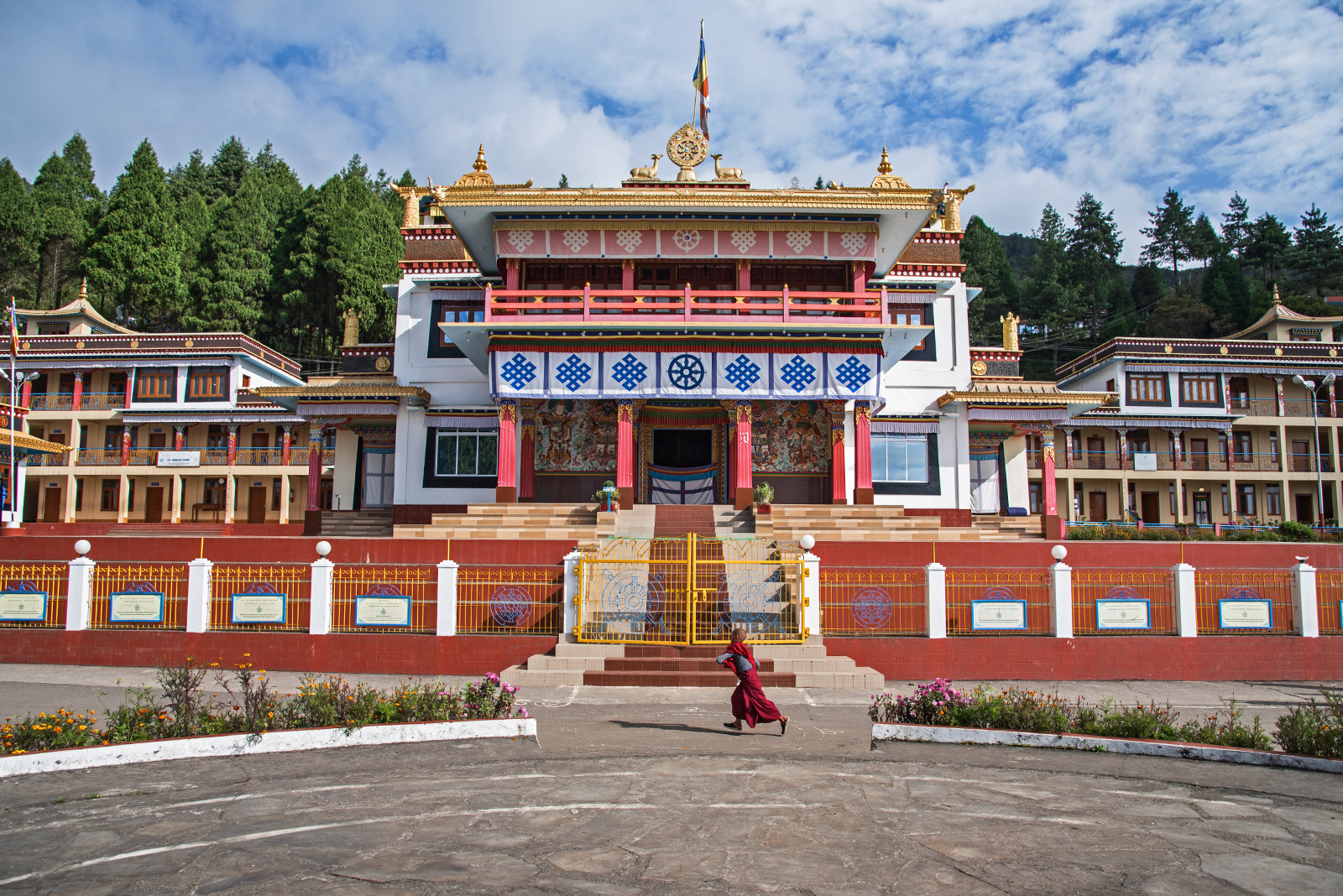
Namdapha National Park

Namdapha National Park is a biodiversity hotspot located in the northeastern state of Arunachal Pradesh, India.

About Namdapha National Park

Namdapha National Park is a biodiversity hotspot located in the northeastern state of Arunachal Pradesh, India. It is one of the largest protected areas in the Eastern Himalayan biodiversity hotspot and covers an area of approximately 1,985 square kilometers. The park is situated near the international border with Myanmar, in the Changlang district of Arunachal Pradesh

This National Park is known for its rich and diverse flora and fauna. It is home to a wide range of species, including several endangered and rare animals. The park boasts a diverse range of habitats, including tropical evergreen rainforests, temperate forests, bamboo groves, and grasslands.

Some of the notable wildlife species found in Namdapha National Park include the Bengal tiger, Indian leopard, clouded leopard, snow leopard, red panda, Asiatic black bear, Himalayan black bear, and several species of primates such as the Assamese macaque and Hoolock gibbon. The park is also a haven for birdwatchers, with over 450 species of birds recorded, including the white-winged wood duck, one of the rarest duck species in the world.

This Park is also recognized for its diverse ethnic and cultural heritage. It is inhabited by various indigenous tribes, including the Tangsa, Lisu, and Singpho communities. These tribes have a deep connection with the park and rely on its resources for their livelihood.

Visitors to Namdapha National Park can engage in activities like wildlife safaris, trekking, birdwatching, and exploring the pristine natural beauty of the region. However, due to its remote location and rugged terrain, the park requires careful planning and permits for entry. It is advisable to seek guidance from local authorities or tour operators before visiting the park.

Namdapha National Park stands as a crucial conservation area, preserving the unique biodiversity of the Eastern Himalayas and contributing to the ecological balance of the region.

Things to do Namdapha National Park

When visiting the Park, here are some activities and things you can do to make the most of your experience :

Jungle Safari : Take a guided jungle safari or nature walk to explore the diverse ecosystems of Namdapha National Park. Traverse through dense forests, bamboo groves, and meandering rivers while spotting wildlife and immersing yourself in the natural beauty of the park.

Birdwatching : Namdapha National Park is a paradise for birdwatchers. Bring your binoculars and spot a wide variety of bird species, including the rare white-winged wood duck, great hornbill, and many other colorful and elusive birds.

Wildlife Spotting : Namdapha is home to a rich variety of wildlife. Keep an eye out for tigers, leopards, clouded leopards, elephants, Indian bison (gaur), Himalayan black bears, macaques, gibbons, and other primates. Spotting these elusive creatures in their natural habitat can be an unforgettable experience.

Trekking and Hiking : Embark on trekking expeditions within the national park. There are various trekking routes available, ranging from short hikes to multi-day adventures. Explore the picturesque landscapes, dense forests, and scenic valleys while enjoying the thrill of adventure.

Visit Haldibari : Haldibari is a popular tourist spot within Namdapha National Park. It offers beautiful views, waterfalls, and a viewpoint that provides panoramic vistas of the surrounding mountains and valleys. Take a break, relax, and soak in the tranquil ambiance of the area.

Photography : The National Park provides excellent opportunities for nature and wildlife photography. Capture the stunning landscapes, diverse flora and fauna, and unique wildlife encounters during your visit.

Interact with Indigenous Tribes : The area surrounding Namdapha National Park is inhabited by indigenous tribes such as Lisu, Tangsa, and Singpho. Engage with the local communities, learn about their cultures, traditions, and way of life. It can be a fascinating and enriching experience.

Camping : Enjoy camping amidst the wilderness of Namdapha National Park. Set up tents at designated camping sites and spend a night under the starry skies, surrounded by nature’s serenity.

Learn about Conservation Efforts : Gain insights into the conservation initiatives and efforts taken to protect the biodiversity of Namdapha National Park. Understand the importance of preserving the fragile ecosystems and endangered species found in the park.

Relax and Rejuvenate : Take some time to relax and soak in the peaceful ambiance of Namdapha National Park. Enjoy the tranquility of nature, the sound of flowing rivers, and the gentle breeze that sweeps through the forests.

Remember to follow the rules and guidelines set by the park authorities for the safety of yourself and the wildlife. Respect the environment and maintain its sanctity during your visit to the Park.

How to reach Namdapha National Park

Reaching Namdapha National Park, located in the Changlang district of Arunachal Pradesh, India, involves a combination of air, rail, and road travel. Here are the common routes to reach the Park :

By Air : The nearest airport to Namdapha National Park is Dibrugarh Airport in Assam, which is well-connected to major cities in India. From Dibrugarh, you can hire a taxi or take a shared cab to reach Miao, the nearest town to the national park. The journey from Dibrugarh to Miao takes approximately 5-6 hours, covering a distance of around 160 kilometers.

By Rail : The nearest railway station to Namdapha National Park is Tinsukia Railway Station in Assam. Tinsukia is well-connected to major cities like Guwahati and Kolkata. From Tinsukia, you can hire a taxi or take a shared cab to reach Miao. The journey from Tinsukia to Miao takes approximately 5-6 hours, covering a distance of around 140 kilometers.

By Road : Once you reach Miao, the gateway to Namdapha National Park, you can travel by road to the park entrance. Miao is connected to major cities in Assam and Arunachal Pradesh by regular bus services. You can also hire a taxi or take a shared cab from Miao to reach the national park. The road journey from Miao to Deban, the entry point of the National Park, takes around 2-3 hours.

It’s important to note that the road from Miao to Deban involves traveling through hilly terrain and may not be in the best condition. It is advisable to hire an experienced local driver or opt for shared cabs that are familiar with the route.

Please keep in mind that visiting the Park requires obtaining permits from the Arunachal Pradesh government. Indian tourists need to obtain an Inner Line Permit (ILP), while foreign tourists require a Protected Area Permit (PAP). These permits can be obtained from the Arunachal Pradesh government offices or online portals before your journey.

It is advisable to plan your visit to Namdapha National Park well in advance and check the current road and weather conditions. Some sections of the road may be temporarily closed or affected during adverse weather conditions, particularly in the monsoon season.

Visit Our YouTube Video Channel Harshada Holidays

Ziro

Ziro is a beautiful valley located in the Lower Subansiri district of Arunachal Pradesh

About Ziro Valley

Ziro is a beautiful valley located in the Lower Subansiri district of Arunachal Pradesh. The valley is known for its lush green paddy fields, pine forests, and rich tribal culture. Ziro valley is also the venue for the Ziro Music Festival, which is a popular music festival that attracts people from all over the world.

Ziro valley is a picturesque town located in the Lower Subansiri district of the northeastern state of Arunachal Pradesh, India. It is situated at an elevation of around 5,315 feet (1,620 meters) above sea level. Ziro is known for its scenic beauty, pleasant weather, and rich cultural heritage.

Things To Do in Ziro valley

When visiting Ziro valley, here are some of the things you can do to make the most of your trip:

Explore Ziro Valley : Take leisurely walks or rent a bicycle to explore the beautiful Ziro Valley. Enjoy the scenic beauty, terraced paddy fields, and interact with the friendly locals.

Visit Apatani Villages : Explore the traditional Apatani villages and get a glimpse into the unique lifestyle and cultural practices of the Apatani tribe. You can visit villages like Hong, Hari, Bamin, and Hija, known for their traditional houses and intricate bamboo and cane crafts.

Attend the Ziro Festival of Music : If your visit coincides with the Ziro Festival of Music, don’t miss the opportunity to attend this popular outdoor music festival. Enjoy live performances by talented independent artists from across India and soak in the vibrant atmosphere.

Talley Valley Wildlife Sanctuary : Take a trip to the nearby Talley Valley Wildlife Sanctuary. Enjoy nature walks, bird watching, and explore the diverse flora and fauna of the region. The sanctuary is known for its beautiful forests, streams, and meadows.

Pay Homage at Meghna Cave Temple : Visit the Meghna Cave Temple, a revered Hindu shrine dedicated to Lord Shiva. Experience the peaceful ambiance of the temple and witness the intricate carvings and sculptures.

Try Local Cuisine : Indulge in the traditional Apatani cuisine of Ziro. Sample dishes like pika pila (fermented bamboo shoot), apong (local rice beer), smoked pork, and various organic and locally grown vegetables.

Trekking and Hiking : Explore the surrounding hills and forests through trekking and hiking. There are several trails that take you through scenic landscapes, offering panoramic views of the valley and the opportunity to witness the region’s biodiversity.

Handicraft Shopping : Ziro is known for its intricate bamboo and cane crafts. Visit local markets and shops to buy traditional handicrafts, handwoven textiles, bamboo baskets, and other locally made products as souvenirs.

Attend Traditional Festivals : If possible, try to attend traditional festivals celebrated by the Apatani community, such as Myoko or Dree Festival. These festivals showcase their rich cultural heritage, traditional dances, music, and rituals.

Photography and Relaxation : Ziro’s picturesque landscapes provide excellent opportunities for photography. Capture the scenic beauty, traditional houses, terraced fields, and the vibrant culture of the region. Additionally, take some time to relax and rejuvenate amidst the peaceful surroundings.

Remember to respect the local culture and traditions while visiting Ziro and seek permission before taking photographs of the locals.

How to Reach Ziro

Reaching Ziro, Arunachal Pradesh, involves a combination of air, rail, and road travel. Here are the common routes to reach :

By Air : The nearest airport to Ziro is Lilabari Airport in Assam, located approximately 97 kilometers away. From Lilabari, you can hire a taxi or take a shared cab to reach Ziro. The journey takes around 3-4 hours, depending on road conditions.

By Rail : The nearest railway station is Naharlagun Railway Station, located near Itanagar, the capital city of Arunachal Pradesh. Naharlagun is well-connected to major cities like Guwahati and New Delhi. From Naharlagun, you can hire a taxi or take a shared cab to Ziro. The journey takes around 4-5 hours, covering a distance of approximately 116 kilometers.

By Road :
From Guwahati : Guwahati, the largest city in Assam, is well-connected by air, rail, and road. From Guwahati, you can take a bus or hire a taxi to Ziro. The journey takes approximately 8-9 hours, covering a distance of around 330 kilometers.
From Itanagar : Itanagar, the capital city of Arunachal Pradesh, is another starting point to reach Ziro. From Itanagar, you can hire a taxi or take a shared cab to Ziro. The journey takes around 5-6 hours, covering a distance of approximately 150 kilometers.

It’s important to note that the road journey to Ziro involves traveling through hilly terrain with some challenging stretches. The roads may not be in the best condition, so it is advisable to hire an experienced local driver or opt for shared cabs that are familiar with the route.

Please note that traveling to Arunachal Pradesh requires obtaining special permits due to its status as a protected area. Indian tourists need to obtain an Inner Line Permit (ILP), while foreign tourists require a Protected Area Permit (PAP). These permits can be obtained from the Arunachal Pradesh government offices or online portals before your journey.

It is advisable to check the current road and weather conditions before planning your trip to Ziro, as certain sections of the road may be temporarily closed or affected during adverse weather conditions, particularly in monsoon season.

Visit Our YouTube Video Channel Harshada Holidays

Tawang

Tawang is a town located in the northeastern state of Arunachal Pradesh in India.

About Tawang

Tawang is a town located in the northeastern state of Arunachal Pradesh in India. It is situated at an elevation of approximately 10,000 feet (3,000 meters) in the eastern Himalayas. Tawang is renowned for its scenic beauty, pristine landscapes, and rich cultural heritage.

The town is primarily known for its famous Buddhist monastery, Tawang Monastery, which is one of the largest Buddhist monasteries in the world outside of Tibet. The monastery was founded in the 17th century and is an important pilgrimage site for Buddhists.

Things To Do in Tawang

When visiting Tawang, here are some of the things you can do to make the most of your trip :

Explore Tawang Monastery : Visit the iconic Tawang Monastery, also known as Galden Namgyal Lhatse, and witness its grandeur. Explore the various temples, prayer halls, and the impressive 18-foot high golden Buddha statue.

Visit Urgelling Monastery : Pay a visit to Urgelling Monastery, the birthplace of the 6th Dalai Lama, Tsangyang Gyatso. This monastery holds historical significance and is a peaceful place for meditation and reflection.

Enjoy the Scenic Beauty : Take in the breathtaking landscapes of Tawang. Explore the lush green valleys, cascading waterfalls, serene lakes like Pangong Tso and Madhuri Lake, and the snow-capped peaks of the Himalayas.

Trek to Bum La Pass : Embark on a trek to Bum La Pass, located at an altitude of 15,200 feet. It offers stunning views of the surrounding mountains and serves as a border between India and China.

Visit Jaswant Garh : Pay homage to the Indian soldier, Jaswant Singh Rawat, at Jaswant Garh. It is a memorial dedicated to his bravery during the Indo-China war and is located about 25 kilometers from Tawang.

Explore the Craft Center : Visit the Craft Center to witness the traditional arts and crafts of the region. You can find beautifully crafted items like thangkas (Buddhist paintings), wooden masks, handwoven carpets, and more.

Attend Festivals : If your visit coincides with the festivals of Tawang, such as Losar (Tibetan New Year) or Torgya Festival, make sure to participate and experience the vibrant cultural celebrations, including dance performances, music, and traditional rituals.

Try Local Cuisine : Indulge in the local cuisine. Sample traditional dishes like momos (steamed dumplings), thukpa (noodle soup), and butter tea. Don’t forget to savor the local dairy products like yak cheese and butter.

Engage in Adventure Activities : This Hill Station offers opportunities for adventure enthusiasts. Go trekking, camping, or hiking in the surrounding mountains. You can also indulge in angling or fishing in the rivers and lakes.

Interact with the Locals : Engage with the warm and friendly locals of Tawang to learn about their culture, traditions, and way of life. They can provide valuable insights and enrich your overall experience.

Remember to check the local weather conditions and obtain the necessary permits before planning your activities in Tawang.

How to reach Tawang

Reaching Tawang can be an adventurous journey due to its remote location in the eastern Himalayas. Here are the common routes to reach :

By Air : The nearest airport to Tawang is Tezpur Airport in Assam, located about 317 kilometers away. From Tezpur, you can hire a taxi or take a shared cab to Tawang. The journey takes approximately 8-10 hours, depending on road conditions.

By Road :
From Guwahati : Guwahati, the capital city of Assam, is well-connected by air, rail, and road. From Guwahati, you can hire a taxi or take a bus to Tawang. The journey takes around 10-12 hours and covers a distance of approximately 520 kilometers.

From Tezpur : Tezpur, a town in Assam, is another starting point to reach Tawang. From Tezpur, you can hire a taxi or take a shared cab to Tawang. The journey takes around 8-10 hours, covering a distance of approximately 317 kilometers.

It’s important to note that the road journey to Tawang involves traveling through steep and winding mountainous terrain. The roads can be challenging, so it is advisable to hire an experienced local driver or opt for shared cabs that are accustomed to these routes.

By Rail : The nearest railway station to Tawang is Tezpur Railway Station, which is well-connected to major cities in India. From Tezpur, you can proceed by road as mentioned above.

Please note that traveling to Tawang requires obtaining special permits due to its proximity to the border area. Indian tourists need to obtain an Inner Line Permit (ILP), while foreign tourists require a Protected Area Permit (PAP). These permits can be obtained from the Arunachal Pradesh government offices or online portals before your journey.

It is advisable to check the current road and weather conditions before planning your trip to Tawang, as certain sections of the road may be temporarily closed or affected during adverse weather conditions, particularly in winter.

Visit Our YouTube Video Channel Harshada Holidays